Recovering from surgery for cancer can be a very sensitive time in one's life. Nutrition after surgery plays a very vital role in recovery after Robotic Cancer Surgery, as the body requires more attention and care to help return to as near to normal as possible in a timely manner.
Although the recovery from robotic surgery is faster than traditional surgery because of the minimally invasive nature of robotic surgery, the body does still suffer from stress, weakness, and a healing phase post-surgery. A proper and well-planned post-op diet will also assist in preventing medical complications and increasing overall energy levels, both of which contribute to an improved recovery time.
Patients undergoing Robotic Surgery in Ahmedabad should follow a structured post-operative diet under the supervision of a qualified dietitian. In addition to the dietary approach to healing, patients should receive other forms of specialized care from Gastroenterologist Doctors in Ahmedabad and Best Laparoscopic Surgeons in Ahmedabad, in order to have the greatest chance of success in recovery following robotic surgery.
The body enters into a state of healing after having gone through surgery; therefore, the need for extra nutrients is elevated. Eating the right foods serves to assist with:
Despite the fact that patients undergoing robotic surgery will heal more quickly due to less invasive means than those undergoing traditional surgical procedures, nutrition still plays a critical role in a patient's ability to recover smoothly without any complications.
Patients who follow a healthy, well-balanced Diet After Robotic Cancer Surgery will regain their normal way of life more quickly and feel better overall.
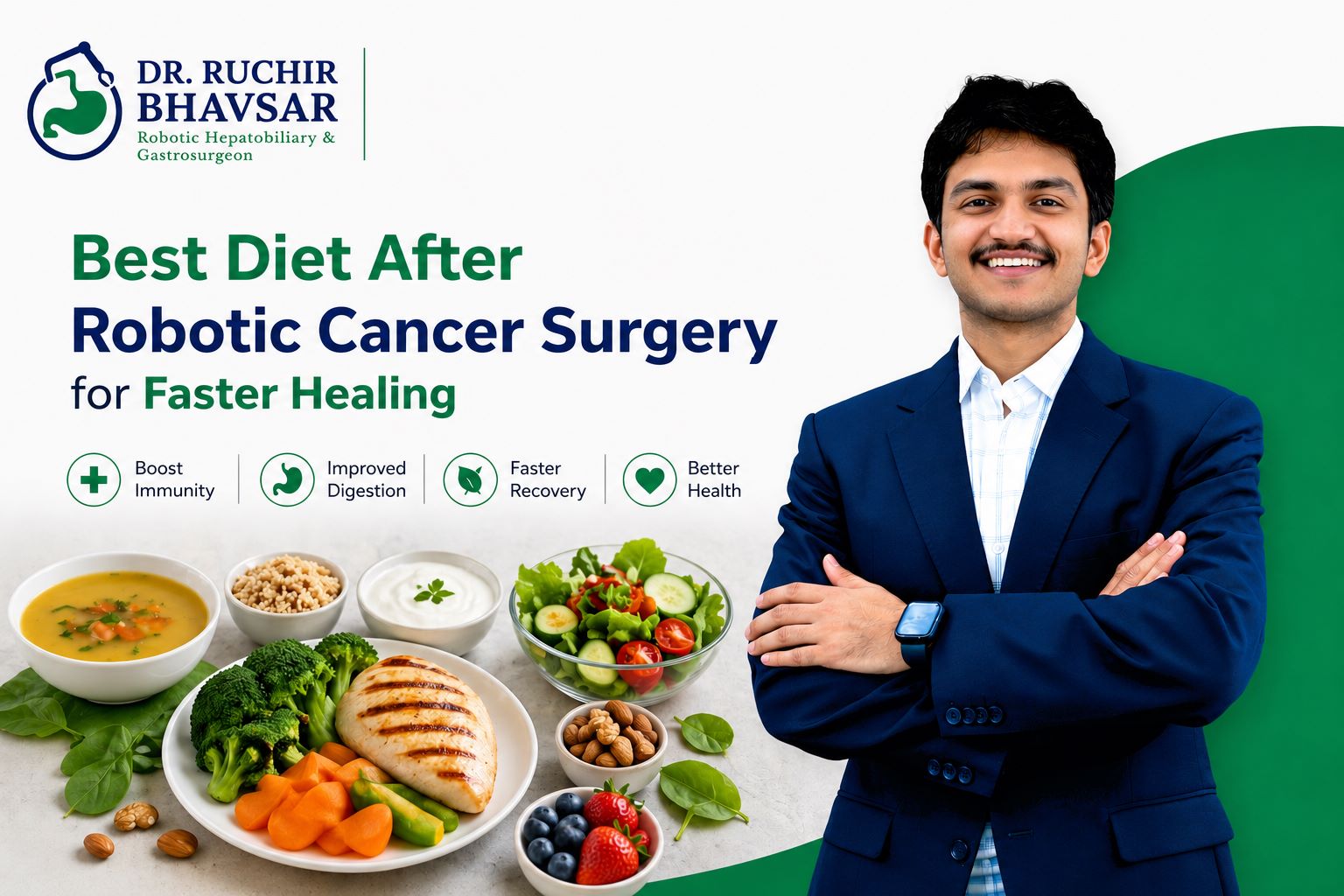
Selecting the appropriate food after surgery is an important part of recovery. Patients should aim to eat food that is easy to digest and nutrient dense.
Protein is a component that is needed to rebuild tissue/muscle.
Fruits contain vitamins, minerals and antioxidants that help improve immunity to illness.
When cooked, vegetables are easier to digest than raw or uncooked vegetables.
They have energy and fiber.
Healthy grains will help digestion and rebuild strength after the operation. A diet designed by specialists in Robotic Surgery in Ahmedabad gives patients the best chance of recovering completely.
Some foods can greatly reduce the success of your recovery and increase the likelihood of discomfort as well. Foods to avoid include:
Consuming these kinds of food can induce bloating and acidity in the body or in some instances, slow down the healing of the surgical area. Adopting clean and simple foods can aid in your recovery as well.
Recovery from robotic surgery involves three different stages, and as you progress through the stages a different set of dietary changes will be required.
The purpose of this phase is to allow your digestive system to gradually recover.
The purpose of this stage is to help to provide the body with more energy whilst still being gentle on the stomach.
Have your regular meals at home using healthy ingredients such as:
At this stage, you are guided back to a more normal way of living with the help of your doctor.
Water and your way of life can contribute equally to you to have a good recovery.
A combination of a Healthy Diet After Robotic Surgery and maintaining a Healthy Lifestyle ensures a better Recovery Long Term.
Follow-up care can be performed with a medical provider, if needed. Patients from Gujarat have good access to high-tech healthcare like:
Robotic surgery facilities in Ahmedabad - providing Better Outcomes of Patients.
Your specialists will create a personalized meal plan and track your recovery progress by monitoring all factors related to recovery that have been proven to improve your recovery.
To achieve a safe and organized recovery, you will require expert guidance. Dr. Ruchir Bhavsar has developed a reputation for using advanced techniques in his specialization in the use of Robotic Surgery as well as Minimally Invasive Surgical Techniques. There are a number of factors that allow Dr Ruchir Bhavsar to provide his patients with optimal benefit from their experience at his crazily equipped facility:
His extensive experience and success with Oncology Surgery patients allow them to have confidence in not only their recovery but also in how they are cared for during and after their surgical experience. You will receive both Surgical Excellence and Nutritional Excellence from Dr Ruchir Bhavsar, which combined make it possible for you to achieve the best possible results in your recovery.
A Structured Diet Following Robotic Surgery for Cancer is among the most important components for an overall successful and expedited recovery. Proper nutrition assists your body to rebuild its energy stores, enhances your immunity, and assists in the body's natural healing process. Patients who adhere to a structured diet plan, avoid potentially harmful foods, and live a healthy lifestyle will recover more comfortably and quickly from Surgery.
Advanced treatment modalities such as Robotic Cancer Surgery in Ahmedabad, coupled with experienced Medical Professionals such as Dr Ruchir Bhavsar, should provide you with the best possible outcome from your Surgical experience. Keep in mind, Healing is comprised of more than just your Surgery — it also consists of what you consume on a daily basis after your Surgery.
A diet consisting of light, easily digested, and protein-based foods (khichdi, soup, boiled veggies, bananas, yogurt, whole grain foods and so on) will provide adequate nutritional support to help expedite healing, increase immunity, improve metabolism and other factors post-operatively.
A recovery diet is divided into stages and lasts approximately two to three weeks, beginning with a full liquid diet, followed by a blended, soft foods (pureed) diet and culminating in a normal, well-balanced diet as instructed by your physician.
No. Patients are discouraged from starting to eat heavy normal foods immediately following surgery. It takes time for the body’s digestive system to heal; therefore, we transition from a liquid to a soft food to a normal dietary stage gradually.
It is best to avoid fried and spicy foods, fast foods, processed snacks, foods high in sugar and/or alcohol, and carbonated beverages as they may impede recovery and/or create digestive issues.
Hydration is essential, as it assists with removing toxins from the body, aids with digestion, alleviates constipation and assists with other bodily functions during the healing process. Therefore, patients should drink plenty of water, coconut water and clear liquids during their recovery period.
© 2025 All Rights Reserved by ARE InfoTech