Due to a sedentary lifestyle, fast-food consumption, stress, and erratic eating patterns, digestive issues are becoming increasingly prevalent. It's common for people to experience temporary symptoms such as stomach discomfort, bloating, and acidity, and to ignore them for an extended period.
Unfortunately, most digestive discomfort symptoms are neglected, leading to long-term issues that could be very serious and require professional intervention. Identifying symptoms as soon as they appear is very important if you want to avoid more serious problems and get treatment as soon as possible.
If you are experiencing ongoing stomach or digestive issues, consulting a qualified gastroenterologist in Ahmedabad can help identify the cause and provide the right treatment before the condition worsens.
A gastroenterologist is a type of physician specializing in the diagnosis and treatment of the digestive system, including the stomach, intestines, liver, pancreas, and gallbladder. From the myriad of tests used to diagnose the health of the digestive tract, they use some of the most sophisticated, such as imaging, endoscopy, and colonoscopy.
Common conditions treated by a gastroenterologist include:
● Acid reflux and GERD
● Gastritis and stomach ulcers
● Gallbladder stones
● Liver disorders
● Irritable bowel syndrome (IBS)
● Pancreatic conditions
● Chronic constipation or diarrhea
Early diagnosis by a specialist helps prevent complications and allows patients to receive the most effective treatment.
Digestive problems can seem trivial at first glance. However, upon persisting, they can result in significant health issues. Here are ten warning signs that should not be ignored.
After big meals, some acidity can be expected, but if heartburn is frequent, then it can be a sign of stomach inflammation or gastroesophageal reflux disease (GERD). Seeing a specialist is key if you want to make sure that long-term damage to your digestive system is avoided.
Gastrointestinal issues are no joke. Letting them linger can harm your body. An experienced gastroenterologist will be able to find out what's wrong with the period.
Gastrointestinal symptoms should be taken just as seriously symptoms, as gastrointestinal issues hold just as much of a possibility of being very serious problems. Frequent bloating is a common symptom of digestive issues.
This is something that should pave way for a serious issue concerning your esophagus, and you must find the cause.
Sudden weight loss is associated with digestive diseases. Investigations may identify other possible causes related to stomach, intestinal, liver issues, etc.
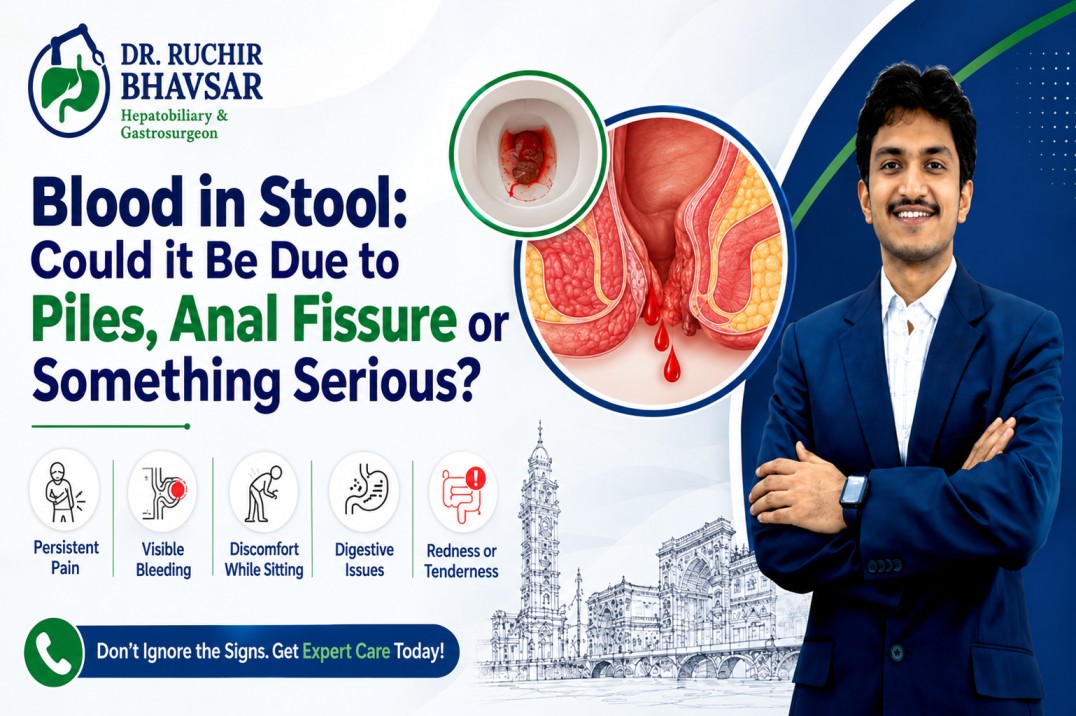
Blood in stool is associated with hemorrhoids, ulcers, inflammatory bowel disease, etc. This symptom is alarming and needs urgent evaluation.
Stomach infections, diseases of the gallbladder, and disorders of the pancreas may cause nausea and/or vomiting. An exam is needed to establish the cause and initiate treatment.
Digestive diseases may be indicated by sudden or chronic changes in bowel habits, such as constipation or diarrhea.
Jaundice, or the yellowing of skin and eyes, signals problems with the liver or bile ducts. Complications relating to the liver can be serious, so early detection is of utmost importance.
Even with mild symptoms, a digestive diseases family history warrants a specialist’s consultation. An early-stage evaluation can be instrumental in identifying problems.
Ignoring digestive health symptoms can lead to digestive health problems becoming more serious with time and can lead to chronic liver disease, intestinal disorders, and gallbladder complications.
Seeing a health professional early can enable health specialists to come up with a more precise diagnosis and devise a treatment strategy to help ease any problems you may have with your digestive system.
Consult a specific digestive disease specialist if signs include:
● Last longer than two weeks
● Become more severe over time
● Interfere with daily activities
● Include bleeding, severe pain, or sudden weight loss
Rapid attention is needed in order to avoid more serious issues, as well as to ensure a quicker, more complete recovery.
Stomach problems are common and are not usually a cause for concern. However, although you may not think it is a big deal, treating stomach problems is most likely the right approach to take to prevent further problems that could be serious. If you are in Ahmedabad and are looking for treatment for acidity, stomach pain, bloating, or altered bowel habits, consulting an experienced gastroenterologist in Ahmedabad can help you receive the right diagnosis and treatment at the right time.
No doubt waiting too long to take action to protect your stomach problems is going to have a negative affect your quality of life.
A gastroenterologist should be consulted when there is an ongoing problem with acidity, stomach pain, bloating, diarrhea, constipation, or unexplained weight loss, particularly if these problems persist for more than two weeks.
Some digestive problems can be indicated by frequent acidity, pain in the abdomen, bloating, nausea, vomiting, constipation, diarrhea, and in some cases a bloody stool.
Yes. Gastroenterologists complete the necessary training to diagnose and treat gas issues, acidity, gastritis, gastroesophageal reflux disease (GERD), stomach ulcers, and other conditions related to the digestive system.
A physician may suggest tests such as a digestive tract endoscopy, abdomen ultrasound, blood tests, or colon cancer screening tests (colonoscopy) based on the symptoms, in order to diagnose the digestive system problem.
Any severe or persistent stomach pain should be evaluated further, particularly if it is associated with vomiting, fever, weight loss, or blood in stool.
© 2025 All Rights Reserved by ARE InfoTech